
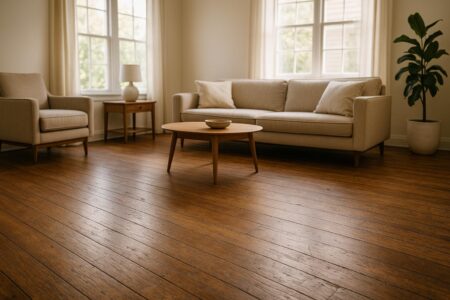
Hardwood floors are a long-term investment, but they need care to stay in good shape. If you notice visible scratches, dullness, water damage, stains, or splintering, it’s likely time to refinish them. Refinishing costs about $3.00–$5.00 per square foot in Canada, much less than replacing floors, which can cost $8.00–$15.00 per square foot. Regular maintenance not only keeps your floors looking great but also prevents expensive repairs down the line. Here’s how to spot the signs your floors need professional attention:
- Scratches and gouges: Deep marks that expose wood need refinishing.
- Colour changes or stains: Sunlight or water can cause discolouration that cleaning won’t fix.
- Water damage: Warped or buckled boards often require sanding and refinishing.
- Dullness: Floors that have lost their shine may need a fresh coat of finish.
- Splintering wood: Rough patches and splinters are safety risks and indicate worn-out finishes.
For homeowners in Whistler, Squamish, and other coastal areas, refinishing is especially important due to humidity and moisture. Acting early can save money and extend the life of your floors.
1. Scratches and Gouges You Can See
When scratches and gouges become visible, it’s a clear sign your floors might need professional refinishing. These marks often show up in high-traffic areas like hallways, living rooms, and kitchen entrances. Pets can leave scratches with their claws, while families with young children might see deeper gouges caused by dropped toys or dragged furniture.
The challenge lies in knowing when these marks have gone beyond surface wear and require refinishing. Light surface scratches might only be noticeable in certain lighting, but deeper gouges that expose raw wood are a definite indication that the protective finish has been worn down.
Surface Damage vs. Deep Damage
Figuring out whether a scratch is surface-level or deeper is key to determining the next steps. Surface scratches typically affect only the top layer of the finish. They appear as thin, light-coloured lines and are barely noticeable when you run your finger over them. These can often be handled with cleaning or touch-up products.
On the other hand, deep scratches and gouges cut through the finish and into the wood itself. A simple test is to run your fingernail along the scratch – if it catches, the damage is deep. These deeper marks usually look darker because the exposed wood absorbs light differently than the finished surface.
You can also test the scratch with a damp cloth or wood stain. If the mark darkens significantly or absorbs moisture, it’s a sign the damage has penetrated beyond the finish. This type of damage calls for professional refinishing to restore and protect your floors properly.
Understanding the depth of the damage is crucial because leaving deep scratches untreated can lead to bigger, more expensive problems.
What Happens When You Ignore Scratches
Ignoring scratches, especially deep ones, can lead to serious consequences for your floors. Exposed wood is vulnerable to moisture and contaminants, which accelerate wear and tear. Over time, the damaged areas can grow larger as foot traffic erodes the edges of the scratches.
This is particularly concerning in places like British Columbia’s coastal regions, where moisture levels are high. Spills, cleaning water, or even humidity can seep into exposed wood through deep scratches. This can cause the wood to swell, warp, or develop dark stains that spread beyond the initial damage. What starts as a small repair could escalate into replacing entire boards.
The financial hit grows as well. A single deep scratch that could have been fixed during routine refinishing might eventually lead to replacing multiple floorboards – a much costlier process. Untreated scratches also trap dirt and grime, making your floors look perpetually dirty no matter how often you clean them.
Splintering is another issue that can develop around deep gouges. These splinters not only make the damage more noticeable but also pose a safety hazard, catching on socks or bare feet and worsening the problem.
2. Colour Changes and Stains
Noticing uneven tones or stubborn stains on your hardwood floors? These are clear signs that your floor’s finish is no longer doing its job, and it might be time for professional refinishing. While some minor surface changes can be tackled with thorough cleaning, deep stains that have penetrated the wood usually call for refinishing.
Unlike isolated scratches, colour changes often affect larger sections of your floor. A common culprit is sunlight exposure. Areas near windows or patio doors frequently develop lighter or darker patches compared to shaded regions. Similarly, water stains from spills, leaks, or even pet accidents can leave marks that regular cleaning just can’t fix. These issues often pave the way for more serious problems like water damage and warped boards, which we’ll explore later.
Common Causes of Colour Changes
- Sunlight exposure: UV rays from sunlight can cause sections of your hardwood to fade or darken over time. This is especially noticeable in south-facing rooms or spaces with large windows.
- Water damage: Moisture from spills or pet accidents can seep into the wood, leaving behind dark, persistent stains that worsen over time.
When Refinishing Works Best
If cleaning doesn’t remove widespread or deep stains, it’s a sign that the damage goes beyond the protective finish. In these cases, refinishing is the best solution. This involves sanding down to the bare wood, re-staining, and applying a fresh protective coat.
Addressing uneven colour patches early not only restores the beauty of your hardwood floors but also helps maintain your property’s overall appeal. Tackling the problem sooner means less intensive sanding is required, which helps preserve the integrity of your flooring for the long haul.
3. Water Damage and Warped Boards
Water damage is no small issue – it can undermine the very structure of your floors, leading to costly repairs or even full replacement. Unlike simple colour changes, water damage compromises the integrity of the wood, causing boards to swell, warp, or buckle. These issues can’t be solved with just a quick clean-up.
The signs of water damage go beyond surface-level stains. When moisture seeps deep into the wood, it causes uneven expansion. This can lead to cupping, where the edges of the boards rise higher than the centre, or crowning, where the centre of the board bulges above its edges. In extreme cases, you may see buckling, where entire boards lift off the subfloor, creating safety hazards. Recognizing these signs early is key to addressing the issue effectively.
How to Spot Water Damage
Water damage often starts subtly but becomes more noticeable over time. One of the first clues is the appearance of dark rings or patches, especially near areas prone to water exposure, such as around appliances, windows, or doorways.
Feel for any sponginess or softness underfoot – this indicates that the wood has been weakened by prolonged exposure to moisture. Gaps between boards, musty odours, and visible dark spots are all warning signs that moisture has deeply penetrated the wood.
A musty smell is another red flag, often signalling that moisture has been trapped beneath the flooring for a while. This can lead to mould or mildew growth, which not only damages your floors but also poses health risks.
Temperature and humidity changes can make water damage even more apparent. For instance, during humid summer months, damaged boards may swell further, while in the winter, heating can cause additional shrinking and cracking in already affected areas.
Stopping Further Damage
Once you spot the signs of water damage, acting quickly can make all the difference. Addressing the issue early can mean the difference between refinishing your floors and having to replace them entirely.
Start by identifying and eliminating the source of moisture. Whether it’s a leaking appliance, poor ventilation, or seasonal humidity, solving this issue is essential to prevent further damage.
For minor to moderate water damage, professional refinishing can often rescue your floors. This process involves sanding off the damaged surface layers, allowing the wood to dry thoroughly, and then applying a new stain and protective finish. However, if the boards are severely warped or buckled, they may need to be replaced before refinishing can be done.
Preventive measures can also help protect your floors in the long run. Ensure proper ventilation, use dehumidifiers during humid weather, and clean up spills immediately. These steps can go a long way in preserving your floors and avoiding future issues.
sbb-itb-f994868
4. Dull Floors That Lost Their Shine
When hardwood floors start looking dull, it’s more than just a cosmetic issue – it’s often a sign that the protective finish is wearing down. Without this finish, your floors become more prone to damage, making it essential to address the problem before it worsens.
Unlike glaring problems like water stains or deep scratches, dullness sneaks up over time. It happens as the finish gradually breaks down from everyday use, leaving the wood underneath exposed. Let’s dive into why this happens and what you can do about it.
Why Floors Look Dull
The main reason for dull hardwood floors is the slow erosion of their protective finish. Everyday activities like walking, moving furniture, and cleaning gradually wear away this layer. High-traffic areas – such as hallways, kitchens, and entryways – are usually the first to lose their shine since they endure the most activity.
Cleaning practices can also play a role. Harsh chemicals, abrasive tools, or excessive water can strip away the finish. Over time, fine particles like dust and grime can build up, forming a dulling film on the surface. This is especially common in households with kids or pets, where spills and debris are more frequent.
The age of your floors matters too. Polyurethane finishes typically last 7 to 10 years under normal conditions, but heavy use can shorten this lifespan. Once the finish wears out, regular cleaning won’t bring back the original shine. At this point, the wood underneath becomes exposed and vulnerable, similar to the effects of scratches or water damage.
When Cleaning Won’t Fix It
Understanding the causes of dullness helps determine when cleaning alone isn’t enough. A simple water droplet test can give you a quick idea of your floor’s condition. Drop a bit of water on the surface: if it beads up, the finish is intact; if it soaks in, your floors likely need refinishing.
If the dullness is only surface-level, a deep clean might do the trick. Removing built-up grime can sometimes restore the appearance and reveal whether the finish itself is still intact.
When cleaning doesn’t bring back the shine, buffing and recoating could be the next step. This involves lightly scuffing the existing finish and applying a fresh coat. It’s a less invasive and more affordable option compared to full refinishing, and it can restore much of the floor’s lustre.
However, if the finish has completely worn through to the bare wood or the floors feel sticky due to finish breakdown, it’s time for a full sanding and refinishing. At this stage, surface treatments won’t fix the problem, and quick fixes could make things worse.
Professional refinishing involves removing the old finish, sanding the wood smooth, and applying new stain and protective coats. This process not only brings back the shine but also provides long-lasting protection against future wear and tear.
5. Rough Spots and Splintering Wood
When hardwood floors start developing rough patches or splinters, it’s a clear sign that the protective finish has completely worn away. Unlike the gradual dulling of a finish, rough spots and splinters aren’t just cosmetic issues – they’re safety hazards. Without timely attention, these problems can escalate quickly.
Beyond the surface appearance, rough patches expose the wood fibres to moisture and dirt, weakening the floor’s structure over time. This not only compromises the floor’s durability but also increases the risk of further damage.
What Causes Uneven Floors
Several factors can lead to rough spots and splintering in hardwood flooring:
- Heavy foot traffic: High-use areas like hallways, kitchens, and entryways often see the finish wear down faster. Once the protective layer is gone, the exposed wood fibres can lift or break apart.
- Moisture damage: Unprotected wood is highly susceptible to water damage. Spills, pet accidents, or even humidity can cause the fibres to swell and contract repeatedly, weakening the structure and leading to splintering.
- Pet claws: Larger pets, especially dogs, can worsen the issue. Their nails can catch on already weakened wood fibres, pulling them up and creating more splinters.
- Dirt and debris: Over time, small particles of grit act like sandpaper, grinding into the exposed wood whenever someone walks across the floor. This not only spreads existing damage but also deepens it.
These factors highlight the importance of addressing rough spots promptly to prevent further deterioration.
Why Quick Refinishing Matters
Refinishing hardwood floors as soon as rough spots or splinters appear is crucial for maintaining safety, structural integrity, and longevity.
First, refinishing removes safety hazards like splinters, creating a smooth surface that’s safer for everyone – especially children and pets, who are more likely to be injured by exposed wood fibres.
From a structural perspective, delaying refinishing allows the damage to worsen. Exposed wood absorbs moisture more easily, leading to warping and further deterioration. Professional refinishing not only smooths out the surface but also seals the wood fibres, creating a strong barrier against future damage.
This process doesn’t just restore the floor’s appearance – it also extends its lifespan significantly. By addressing issues early, refinishing helps preserve the original material, saving you from the expense of replacing boards or even the entire floor.
For minor splinters, small repairs might do the trick. But when damage is widespread, professional refinishing is the best solution. It repairs imperfections, smooths the surface, and applies a protective finish to guard against future problems.
When to Call a Professional
While tackling minor hardwood floor issues yourself can feel rewarding, there are times when calling in the pros is the smarter move. Refinishing hardwood floors involves precise sanding, staining, and sealing, and even a small mistake can reduce the floor’s durability or lead to costly fixes down the line.
Problems That Need Professional Help
Some flooring problems go beyond what DIY solutions can handle. Here are a few situations where professional expertise is a must:
- Severe water damage: Water can seep deep into the wood, causing warping, cupping, or even hidden mould. Professionals have the tools and know-how to assess and address these issues, ensuring your floors are structurally sound and safe for the long term.
- Extensive wear and tear: If your floors are heavily worn across multiple rooms, professional equipment and skills are essential. Tools like drum sanders, belt sanders, and industrial floor buffers – hard to access and expensive for homeowners – are used by experts to achieve results that are both smooth and long-lasting.
- Deep scratches or gouges: When damage cuts through the finish and into the wood itself, it’s tricky to repair without making it obvious. Professionals can determine whether specific boards need replacing or if sanding will suffice, and they know how to blend repairs seamlessly with the surrounding wood.
- Uneven staining: Uneven colour on your floors often points to deeper issues. Experts can diagnose the root problem and use the right stains and sealers for your wood type while factoring in environmental conditions like humidity.
When faced with these challenges, professional refinishing ensures your floors are restored correctly and with lasting results.
Why Choose Tantalus Floors

For homeowners in Whistler, Squamish, and the Sea to Sky Corridor, Tantalus Floors stands out as a reliable choice for hardwood refinishing. Their team understands the unique climate conditions of the region, including how moisture and temperature fluctuations can impact hardwood floors.
One of their standout offerings is dustless refinishing technology, which keeps mess to a minimum and often allows you to stay in your home during the process. They also prioritize eco-friendly practices, using sustainably sourced materials and low-VOC finishes, ideal for those who care about reducing their environmental footprint.
Harrison Riek and his team provide free, no-obligation consultations, so you’ll know exactly what your floors need before committing to any work. Their local expertise means they can recommend materials and solutions perfectly suited to your lifestyle and the region’s climate.
"Harrison and his team did the flooring in my Whistler unit. Everything from the initial appointment to the final delivery was professional, on time, and within the agreed budget. The floor looks great and everything was completed to a perfection. He is easy to communicate with and takes pride in his work. I would highly recommend Harrison to anyone." – Karel Hrazdil, Home Owner
Investing in professional refinishing not only improves the appearance of your floors but also extends their lifespan and boosts your home’s resale value. Attempting a DIY fix can sometimes lead to mistakes that require costly re-dos or even replacement, making professional service a more cost-effective option in the long run.
"Harrison did a great job on refinishing our badly damaged fir flooring in Pemberton. Like new again! Thank you!" – Dean Linnell, Real Estate Agent
Conclusion
Your hardwood floors might be trying to tell you something if you notice any of these five signs: visible scratches and gouges, colour changes or stains, water damage with warped boards, dull, lacklustre surfaces, or rough spots with splintering wood. Spotting these issues early can save you from bigger headaches down the road.
Refinishing your floors on time isn’t just about aesthetics – it’s about protecting your investment. Addressing problems early stops further damage, which could lead to expensive repairs or even full replacement. This is especially important in areas like Whistler, Squamish, and the Sea to Sky Corridor, where the climate brings unique challenges for hardwood floors. With fluctuating humidity, snow, and rain, your floors endure a lot, making professional care even more essential.
That’s where professional refinishing comes in. Experts equipped with advanced tools and eco-friendly materials can restore your floors to their former glory. Plus, they’ll tailor their approach to handle the specific challenges of British Columbia’s mountain climate, ensuring your floors stay beautiful and durable.
If you’ve noticed any of these warning signs, it’s time to act. A professional consultation can provide a clear understanding of what your floors need and set you on the right path to restoration. Don’t wait – take the first step to preserve and enhance the life of your hardwood floors.
FAQs
How often should I refinish my hardwood floors to keep them looking great and lasting longer?
In Canada, how often you need to refinish your hardwood floors largely depends on how much wear and tear they endure. For high-traffic areas, refinishing is usually recommended every 7 to 10 years. On the other hand, low-traffic areas can often go 10 to 15 years without requiring refinishing.
If you’d like to stretch the time between refinishing, regular upkeep is key. Simple tasks like polishing every 2 to 4 months and quickly fixing scratches or minor damage can go a long way in maintaining the beauty and longevity of your hardwood floors.
What happens if I delay refinishing my hardwood floors when I notice scratches or water damage?
Delaying the refinishing of your hardwood floors can cause minor issues to escalate into serious, costly problems. Scratches might deepen into gouges, and water exposure can lead to staining, warping, or even structural damage. Over time, these problems can affect not just how your floors look but also how long they last.
Moisture, if ignored, can cause permanent damage like mould growth or weakened wood. Refinishing your floors promptly helps maintain their strength and appearance, saving you from the expense and hassle of larger repairs or full replacements down the road.
Should I refinish my hardwood floors myself or hire a professional?
Refinishing hardwood floors on your own might seem like a cost-effective option, but it’s no walk in the park. The process demands time, effort, and a solid understanding of the tools and techniques involved. Without experience, it’s easy to make mistakes – like uneven sanding or applying finishes incorrectly – which can end up costing you more in repairs later.
On the other hand, hiring a professional can take the stress out of the equation. Experts bring the skills and equipment needed to deliver a smooth, polished finish while reducing risks such as excessive dust, strong fumes, or accidental damage. They’re also equipped to tackle tricky problems like deep scratches or water stains, leaving your floors looking pristine and refreshed. For most homeowners, entrusting this job to a professional is the smart choice to revive the beauty and value of your hardwood floors.